So we never forget
where it began.

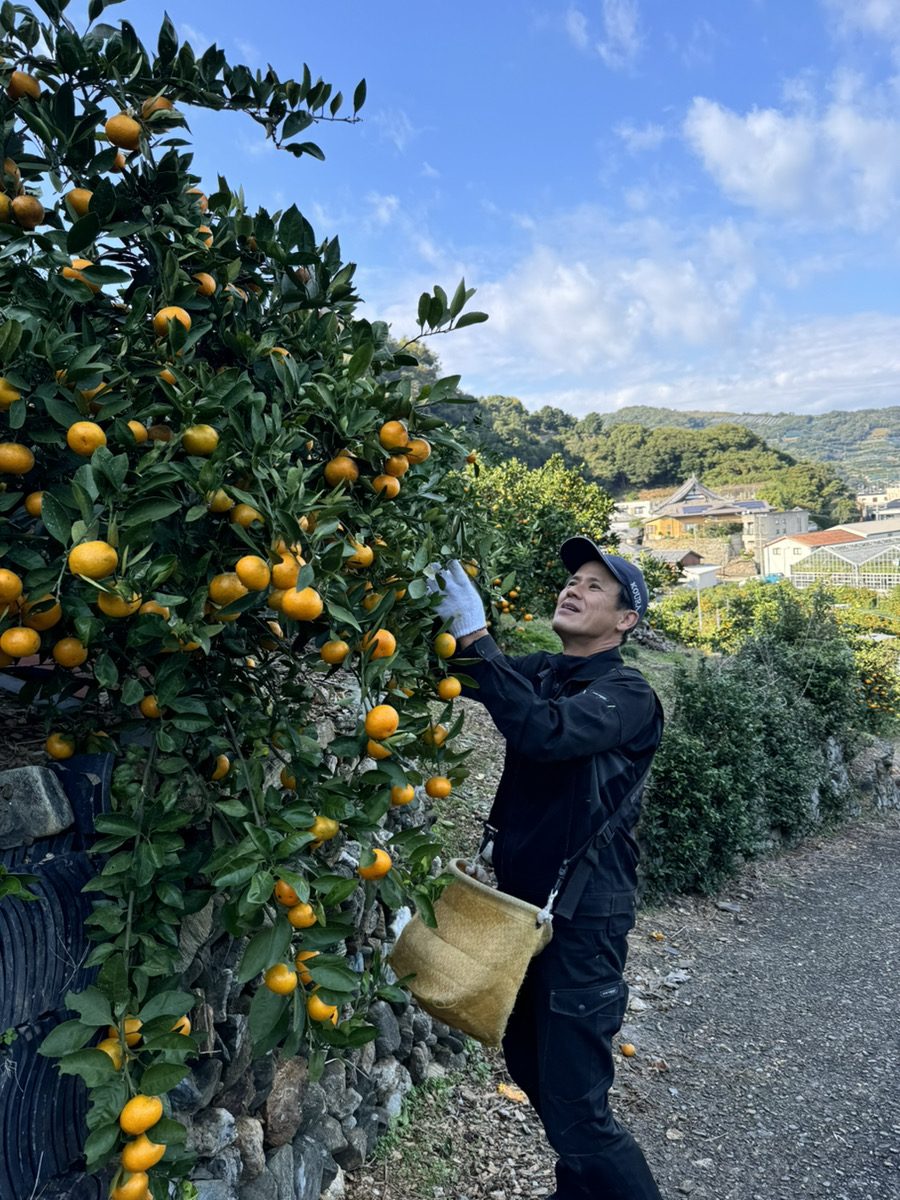
The farm owner harvesting mikan from a heavily laden tree beside a stone wall

Daikatsu Farm grows mikan, the Japanese mandarin orange. The farm owner is also the president of DAIWA Chemical Industry Co., Ltd., a plastic molding manufacturer in Kainan, Wakayama.

DAIWA Chemical Industry owes its start to these fields. Its founder, Katsuji Otani, the current owner's predecessor, put up the family's fields as collateral to establish the company. When that first step into manufacturing was taken, it was this land that stood behind it.

Having inherited both the company and the fields, the farm owner still works this land while running the factory. The company has come this far because this land was here. We keep growing mikan so that we never forget that debt of gratitude, or how it all began.

Masaki Otani, Farm Owner, Daikatsu Farm
President, DAIWA Chemical Industry Co., Ltd.

  1. Our History Coming soon
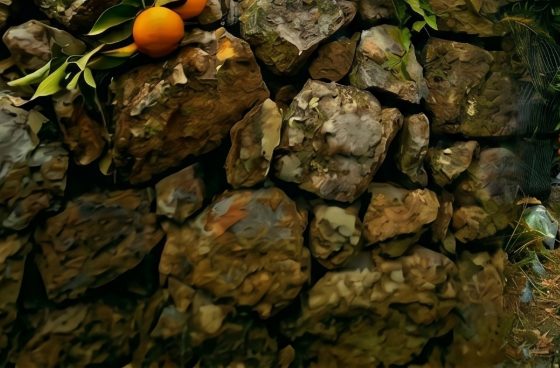
The stone walls of the terraces, built one stone at a time

Stone by stone,
a mountain became farmland.

The mountainsides of Shimotsu are lined with terraces held up by stacked stone. Built one level at a time by those who came before us, the walls drain the soil, catch the sun, and have long produced sweet mikan.

Mikan growing in this region is recognized by the Food and Agriculture Organization of the United Nations as a Globally Important Agricultural Heritage System: “The Stone Terraced Mikan Orchard System of Arida-Shimotsu Region.” Daikatsu Farm cares for its fields alongside these same stone walls.

A taste handed down through generations.

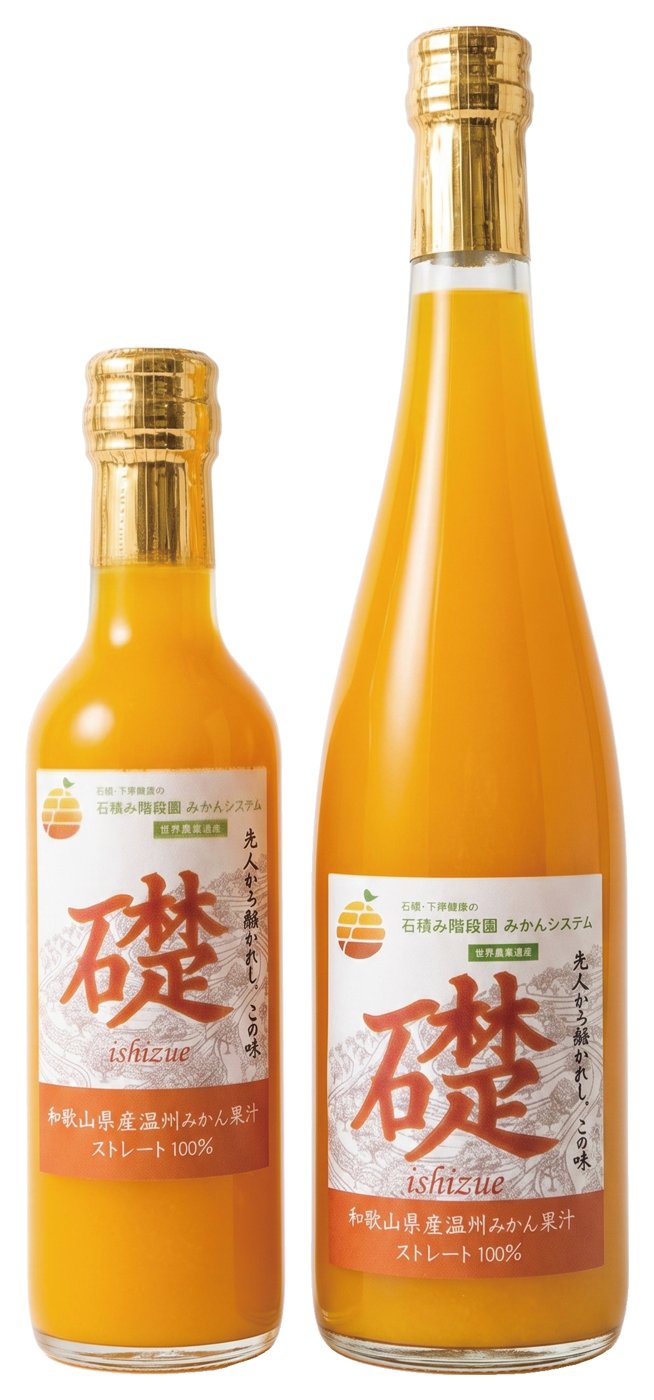
Ishizue (礎) is a 100% not-from-concentrate juice of Wakayama-grown unshu mikan, made with mikan from Daikatsu Farm.
The name means “foundation stone.” It stands for the stone-walled terraces that symbolize Shimotsu, and for the people who have sustained mikan growing here to this day.

Large and small bottles of Ishizue mikan juice
  1. 1

    Traditional hand peeling

    The outer peel is removed by hand before the peeled fruit is pressed whole, which keeps peel oils and bitterness out of the juice.

  2. 2

    The flavor and body of the fruit

    The juice keeps the natural thickness and flavor of mikan, so it tastes much like eating the fruit itself.

  3. 3

    The fruit's natural sweetness

    The climate of Shimotsu gives it richness, and plenty of sunshine gives it a deep, gentle sweetness.

* Products are not sold on this website.

A year on the terraces

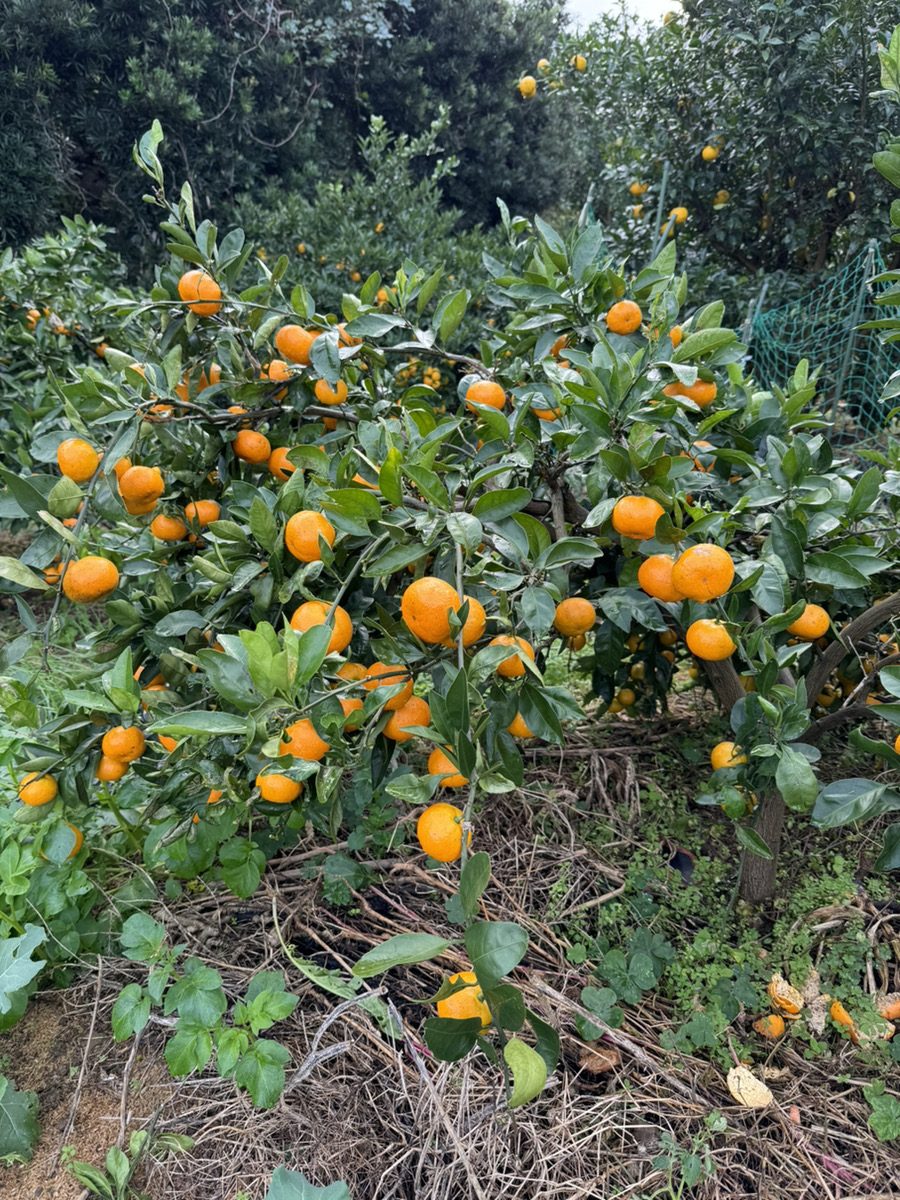
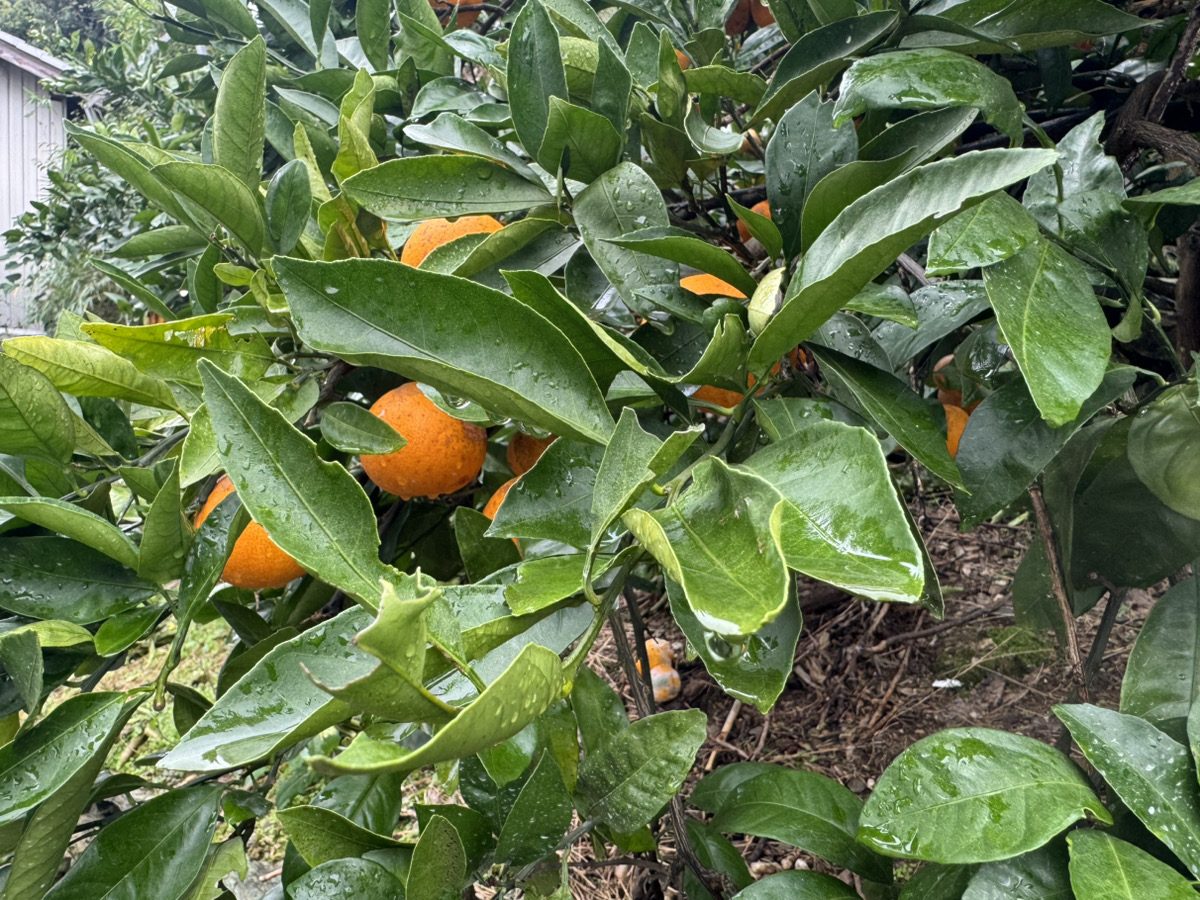
A mikan tree heavy with fruit Ripe mikan among the leaves
  • Spring March–April

    Pruning and fertilizing

    We shape the branches and feed the trees to prepare for the year's crop.

  • Early summer May

    White blossoms

    The sweet scent of mikan blossoms fills the mountainside.

  • Summer July–September

    Thinning and weeding

    We thin the fruit so that the mikan left on the tree can develop their flavor.

  • Autumn–Winter November–December

    Harvest

    Climbing up and down the stone terraces, we pick each fruit by hand.